

Welcome to this week’s Sustainability Roundup!
Global sustainability discussions often focus on carbon, energy, and markets. Yet this week’s escalating conflict involving Israel, Iran, and the United States reminds us that the most immediate sustainability impacts are often human. Wars disrupt livelihoods, displace workers, expose vulnerable labor forces to environmental hazards, and dismantle fragile social systems. For sustainability leaders, the crisis highlights that the “S” in ESG social stability, worker protection, and human dignity becomes most visible when geopolitical systems fail.
Scroll for more!


1. Australia Plans Law Giving Workers the Right to Work From Home
Australia’s state of Victoria is preparing legislation that would give employees a legal right to request work from home arrangements, reflecting how workplace sustainability increasingly includes worker wellbeing, commuting emissions, and work life balance. Supporters argue the move could reduce transport emissions and improve productivity and employee health, while critics warn it may create operational challenges for businesses that rely on physical workplaces. The proposal signals how social sustainability is expanding beyond traditional labor protections toward broader quality of life considerations, but it also raises questions about whether flexible work benefits will be evenly distributed across industries where frontline workers cannot access remote options.
2. Shipping Workers Face Rising Risks as Strait of Hormuz Tensions Escalate
Escalating military tensions near the Strait of Hormuz are forcing commercial vessels and oil tankers to operate under extreme security threats, placing thousands of seafarers at risk. Many of these workers come from developing countries and face limited protection despite operating in one of the most dangerous shipping corridors in the world. The crisis highlights how global trade relies on a largely invisible workforce exposed to geopolitical and environmental hazards while supply chain transparency and worker protections remain limited. Companies dependent on global shipping must confront the reality that supply chain resilience also requires protecting the safety and rights of maritime labor.
3. Argentina Moves to Weaken Glacier Protection Law to Boost Mining Investment
Argentina is considering loosening its glacier protection law to encourage large scale mining investment, a move critics say could threaten critical freshwater ecosystems that support agriculture and local livelihoods. Environmental groups and even parts of the wine industry warn that weakening protections could damage water supplies that communities and workers depend on for farming and rural economies. The debate highlights how governments increasingly face pressure to balance economic growth and resource extraction with long term ecological and social sustainability.

The Just Transition framework reframes climate strategy as a workforce and economic transformation challenge rather than purely an environmental one. It emphasizes that decarbonization policies must be designed alongside labor protections, social safety nets, and regional economic development to ensure that workers and communities dependent on high emission industries are not disproportionately disadvantaged during the transition.
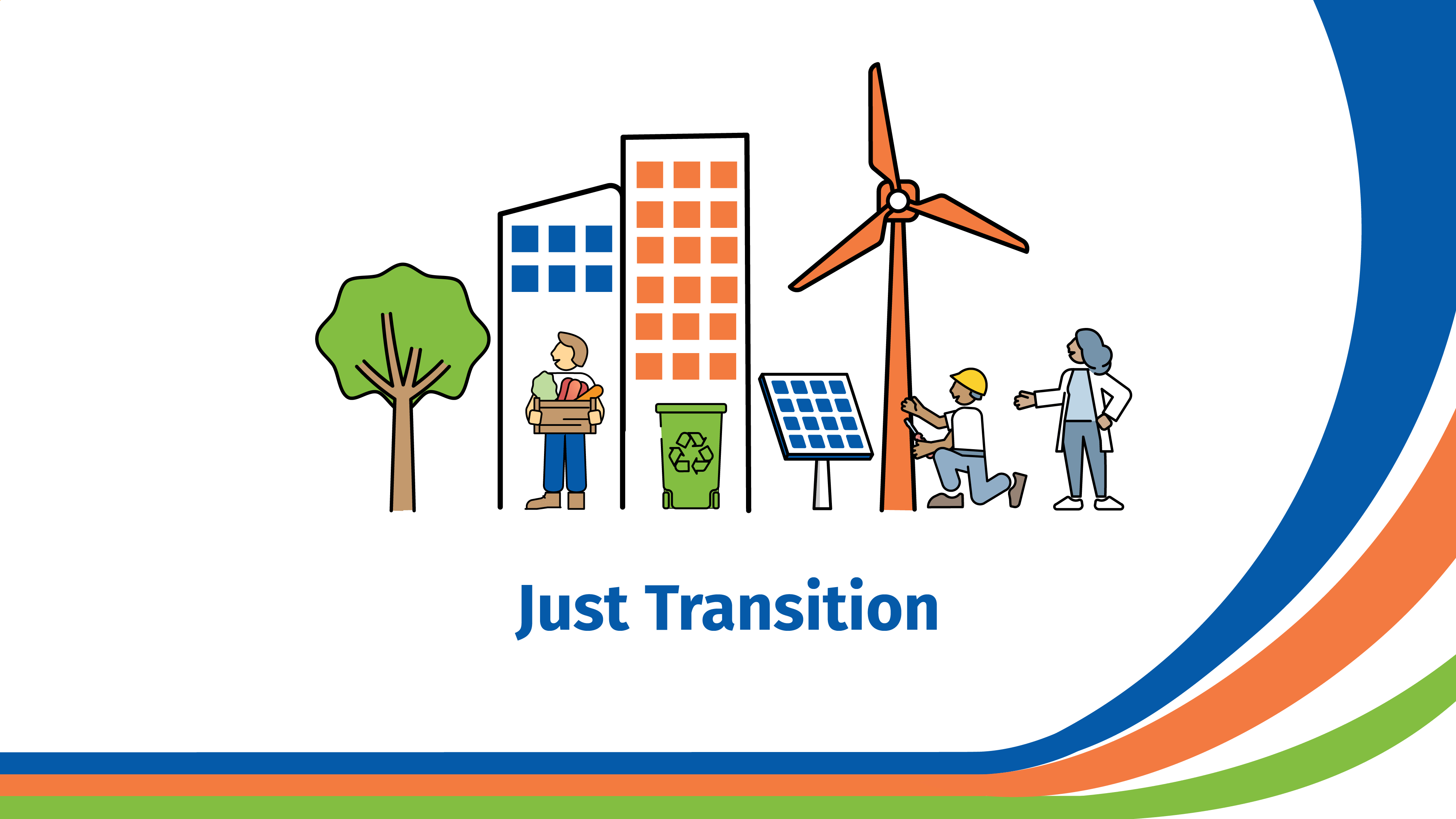
From a strategic perspective, the framework recognizes that the success of climate policy is ultimately determined by political and social legitimacy. By integrating workforce reskilling, income protection mechanisms, and investment in emerging industries, governments and companies can convert climate transition risks into opportunities for long term economic renewal while maintaining stakeholder trust.
A case study from Spain’s coal phaseout provides a leading example of how Just Transition principles can be operationalized at a national scale. As the country closed uncompetitive coal mines to meet climate targets, the government negotiated agreements with labor unions that included early retirement packages, worker retraining programs, and substantial regional development funds to diversify local economies. This structured approach enabled Spain to retire coal assets while preserving social stability, safeguarding worker livelihoods, and accelerating investment in renewable energy and regional economic regeneration. Read more here.

The global matcha boom highlights a sustainability paradox in agricultural supply chains. While demand and retail prices have surged, matcha farming remains labor intensive and many farmers capture only a small share of the value created downstream by global brands and cafés. Japan’s tea farming workforce is also rapidly aging, threatening long term production capacity.
Without better compensation, supply chain transparency, and incentives for younger farmers, the industry risks becoming economically unsustainable despite strong consumer demand for premium matcha products.

Results from last poll indicate cautious optimism toward AI driven social innovation, with the majority emphasizing that meaningful benefits for frontline workers and vulnerable communities will depend on strong governance and accountability. Without these safeguards, respondents suggest AI’s gains may remain concentrated among powerful institutions rather than reaching those most in need. Read the issue here.
Missed our recent issues? Catch up anytime by reading our full archive here 📖.
That’s it for today’s roundup! We’ll see you next Thursday with another set of inspiring sustainability news and updates. Until then, take a moment to reflect on how you can adopt one new sustainable practice this week. Every small step counts! 🌍✨
Have any thoughts or a sustainable practice you'd like to share? Share your feedback here.
Together, we can make a difference. See you in the next edition of the Sustainability Roundup!
Good to see Just Transition on substack.