

Hi there! 👋 Congratulations, we’re 10,000+ readers strong, united in strategic, clearer, truly impactful sustainability. 🎉 🌍
This week’s Sustainability Roundup comes at a time when the gap between climate ambition and delivery is clearer than ever. With offset markets under pressure, nature reporting shifting and new methane risks emerging, it’s a reminder that sustainability now demands evidence, not just commitments. 🌱

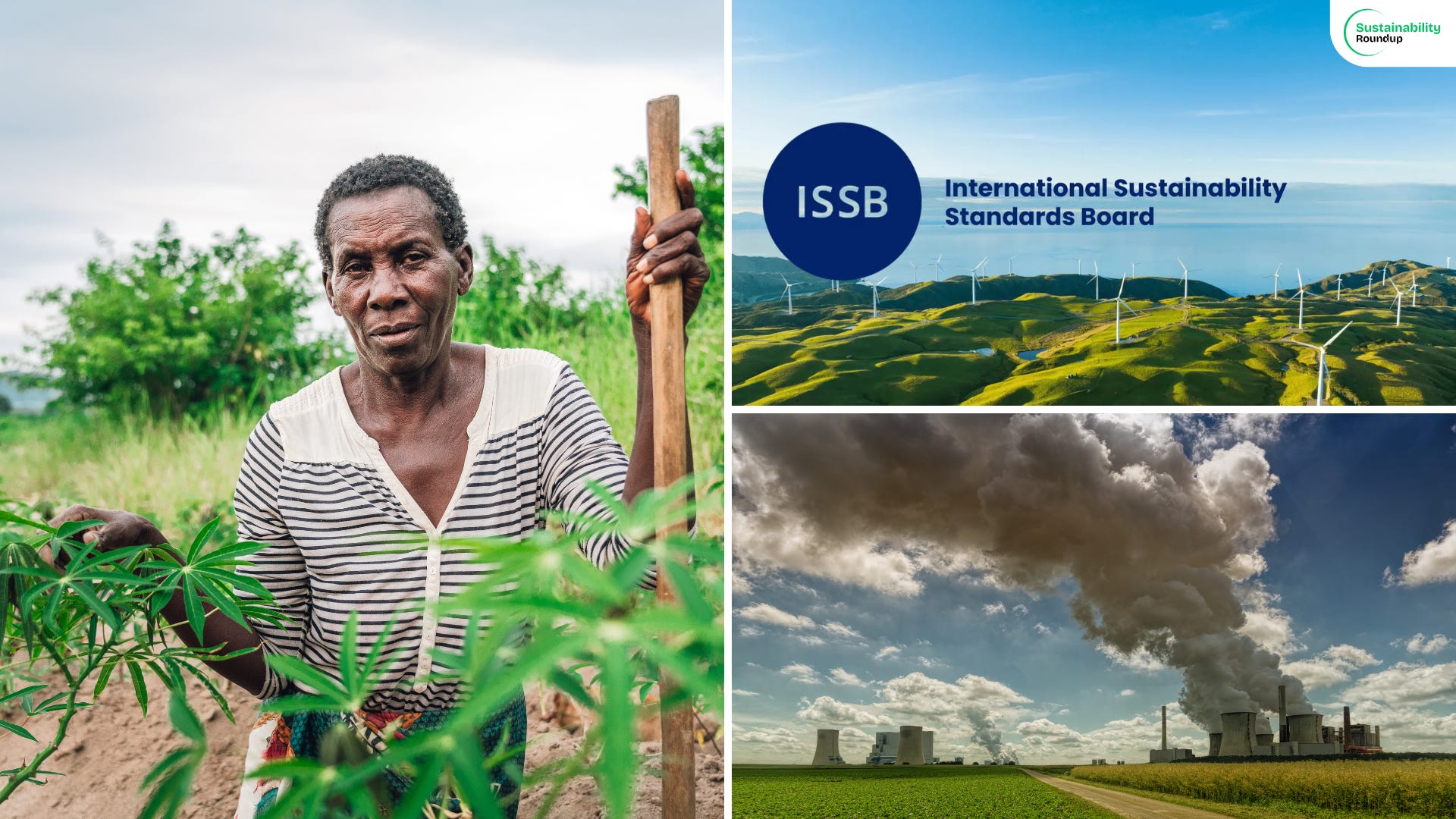
1. Kenya’s Carbon Offsetting Market Collapses: What Happens to the Forests They Hoped to Protect? ⚠️🌳
A flagship forest-based offset project in Kenya has collapsed as corporate demand dries up, exposing deep flaws in how credits were issued under Verra (Verified Carbon Standard) and cutting vital funding to communities protecting forests. The fallout shows how fragile conservation finance becomes when it relies on volatile offset markets, pushing companies toward more durable, performance-based climate strategies rather than transactional offsetting that collapses under scrutiny.
The Taskforce on Nature-related Financial Disclosures (TNFD) has paused new technical work as the International Sustainability Standards Board (ISSB) assumes responsibility for global nature-related reporting standards, marking a major consolidation in sustainability disclosure frameworks. This shift elevates biodiversity and ecosystem dependencies to the same level of importance as climate and financial reporting, meaning companies must now build nature risk into core strategy, governance and capital allocation even as the transition period creates temporary uncertainty for organisations already preparing to implement these disclosures.
A new scientific study warns that methane emissions from lakes and reservoirs could almost double by the end of the century as warming accelerates microbial activity, increasing global methane output by roughly 10 percent. The research underscores how natural climate feedback loops can amplify warming far faster than existing policy timelines, pushing governments, businesses and land-use planners to anticipate ecological tipping points within long-term adaptation strategies even though immediate intervention options remain limited.

Too often, sustainability is treated as compliance. Fanny Hermundsdóttir and Arne Jørgensen (2022) show that top performers do the opposite, they make it the driver of innovation and long-term growth. 💡
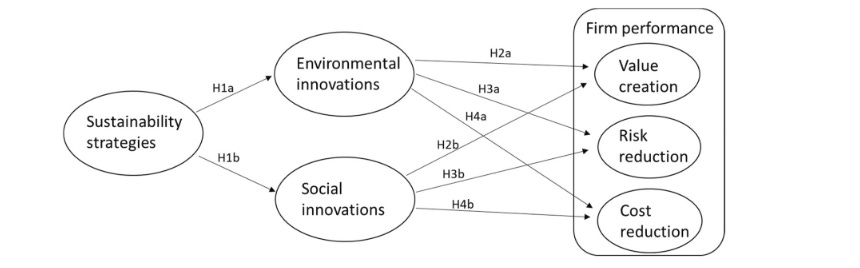
Their research finds that strong sustainability strategies drive two distinct kinds of innovation environmental and social (H1a, H1b) and those, in turn, enhance firm performance by creating value, reducing risk, and cutting costs (H2a–H4b). In other words, sustainability doesn’t just protect the business; it powers it. 💰
What leading firms are doing:
1️⃣ Treating sustainability as a design principle - Every new idea is screened for its ability to reduce waste, extend life cycles, or create shared value.
2️⃣ Embedding it in incentives - Innovation teams are measured not only on speed and ROI but also on resource efficiency and impact.
3️⃣ Building feedback systems - Sustainability data now loops directly into R&D decisions, closing the gap between intention and innovation.
What’s emerging is sustainability as capability the engine that fuels innovation, fortifies resilience, and builds value that lasts. 🔗 Read the paper in detail here.
Image courtesy: Hermundsdóttir, F. (2022), Journal of Cleaner Production, Fig 1.

For all its talk of flexibility and opportunity, the gig economy is quietly eroding the very human foundations of sustainability. Under the “always-on” platform model, workers bear the brunt of algorithmic control, no safety net, and full exposure to risk.
This isn’t just a labour issue, it’s a sustainability issue. 🧭
Behind every delivery and ride is a worker on a zero-hour contract, overworked, unseen, and replaceable. The gig economy’s hidden cost is human. True sustainability demands empathy: rebuilding labour models that value security, fairness, and dignity as drivers of long-term resilience. ⚠️

Last poll results signal a widening credibility gap with 50% believing policy is still lagging and 25% seeing uneven progress, most respondents view corporate net-zero strategies as out of sync with real climate realities. Very few see steady progress, underscoring regulatory uncertainty as a major barrier to decarbonisation. 🌍
Read our last issue here. 🗳️

Missed our recent issues? Catch up anytime by reading our full archive here 📖.
That’s it for today’s roundup! We’ll see you next Thursday with another set of inspiring sustainability news and updates. Until then, take a moment to reflect on how you can adopt one new sustainable practice this week. Every small step counts! 🌍✨
Have any thoughts or a sustainable practice you'd like to share? Share your feedback here.
Together, we can make a difference. See you in the next edition of the Sustainability Roundup!