

Hi there! 👋
This week’s Sustainability Roundup captures a defining tension shaping the sustainability agenda right now. Economic data is beginning to validate that growth and emissions can decouple, AI is accelerating how sustainability is measured and managed, yet political decisions continue to weaken the scientific infrastructure that underpins credible climate action.
Dive in for more! 🌱


1. Economic Growth No Longer Linked To Carbon Emissions In Most Of The World 🌍
A global study shows that 92 percent of economies are now growing while stabilizing or reducing consumption based carbon emissions, pointing to a structural decoupling between growth and carbon since the Paris Agreement. This trend reflects greater energy efficiency, cleaner energy mixes and early peaks in fossil consumption across many markets. Yet the pace of absolute emissions decline remains insufficient to stay within 1.5°C pathways, exposing a growing divide between climate policy ambition and real world outcomes.
2. Google Releases AI Playbook To Streamline Sustainability Reporting And Corporate Transparency 🤖
Google has launched an open source AI Playbook for Sustainability Reporting aimed at automating data collection, drafting disclosures and improving reporting efficiency at scale. The playbook offers modular workflows and examples to help organizations accelerate adoption of standardized reporting practices. While reducing manual workloads, it also invites scrutiny around AI governance, algorithmic biases and the indirect environmental footprint of large scale AI use in sustainability functions.
3. Trump Administration To Dissolve Key Climate Research Agency 🧪
The Trump administration announced plans to dissolve the National Center for Atmospheric Research (NCAR) in Boulder, Colorado, a leading federal climate science research center, part of broader budget cuts and efforts to defund climate change research. Weather research functions like modelling and supercomputing may be relocated, but critics warn the move could undermine U.S. climate science leadership and weaken foundational data used by governments and the private sector. The decision follows larger cuts to NOAA’s research arms and dismissals of climate assessment teams, reflecting a deeper political shift away from federally supported climate expertise.

Carter and Rogers 2008 explain why many corporate sustainability programs stall they operate outside core management logic and unravel when cost pressure or operational tradeoffs emerge. Sustainability that lasts is enabled by strategy alignment transparency risk management and organizational culture not by isolated ESG initiatives.
What leaders should do differently:
Use sustainability as a decision filter not a reporting lens
Force every major initiative to answer one question does this strengthen environmental social and economic performance together If not treat it as incomplete rather than successful.Move sustainability into the strategy room
Anchor sustainability goals to business outcomes like cost volatility reduction supply continuity regulatory access and innovation advantage If it lives in a parallel roadmap it will lose when tradeoffs appear.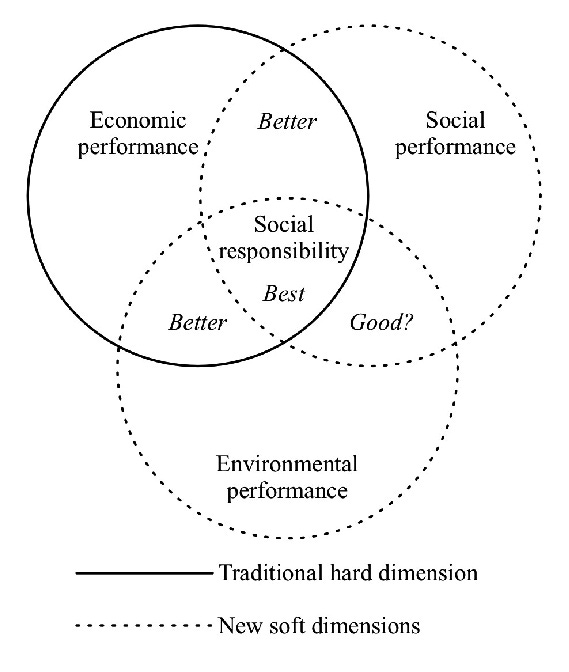
Create visibility where risk actually sits
Extend transparency beyond tier one suppliers so issues surface early through data and governance rather than late through audits crises or media exposure.Manage sustainability like enterprise risk
Reframe environmental and social issues as sources of operational financial and reputational risk and embed them into existing risk and resilience processes.Change what gets rewarded
Align incentives KPIs supplier contracts and capital allocation with outcomes across all three pillars so sustainability shapes everyday decisions.
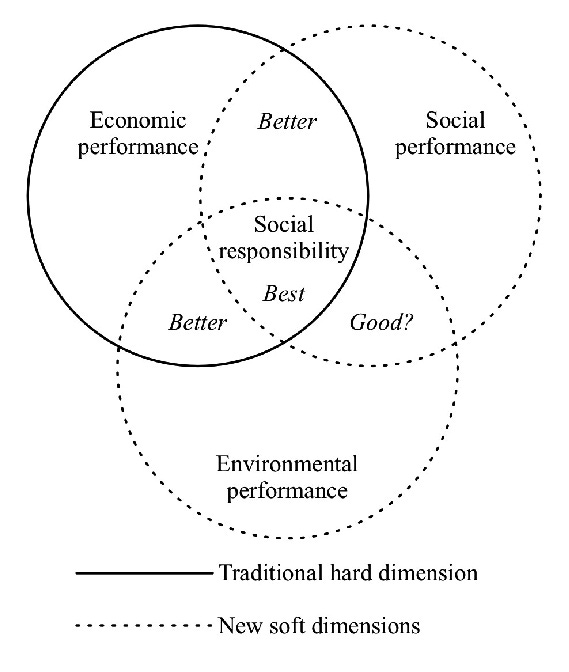
Sustainable supply chains are not built by doing more initiatives but by changing how decisions are made. Read in detail here.

Google AI Playbook for Sustainability Reporting provides a hands-on framework to accelerate and scale credible sustainability disclosure using AI.

This playbook offers a tangible toolkit drawn from Google’s internal experimentation, showing how AI can actively strengthen sustainability work by automating complex data aggregation, improving emissions tracking accuracy and enabling faster, more consistent disclosures across teams and value chains. Read more here.

Last poll results signal strong resistance to deregulation, showing that stakeholders view sustainability as a strategic baseline, while accepting limited, conditional flexibility rather than broad rollbacks justified only by competitiveness concerns.
Missed our last poll? Vote here. 📘

Missed our recent issues? Catch up anytime by reading our full archive here 📖.
That’s it for today’s roundup! We’ll see you next Thursday with another set of inspiring sustainability news and updates. Until then, take a moment to reflect on how you can adopt one new sustainable practice this week. Every small step counts! 🌍✨
Have any thoughts or a sustainable practice you'd like to share? Share your feedback here.
Together, we can make a difference. See you in the next edition of the Sustainability Roundup!
The paradox here is sharp—using AI to streamline sustainability reporting while the infrastructure for that reporting contributes its own carbon footprint. I've been workign with automated data aggregation tools and the efficiency gains are real, but theres always this underlying question about wether the cost of running these systems at scale gets factored back into the metrics they're designed to improve. Makes me think we need transparency not just in reporting outputs but in the tools doing the reporting.