

Hi there! 👋
As 2025 draws to a close, decisions made this week in boardrooms, parliaments, and climate forums reveal a growing tension between the urgency of planetary boundaries and entrenched economic interests. While shocking revelations of environmental damage highlight just how little room we have left for delay, powerful political and business actors are still shaping which crises to act on, and which to roll back.
Dive in for more! 🌱

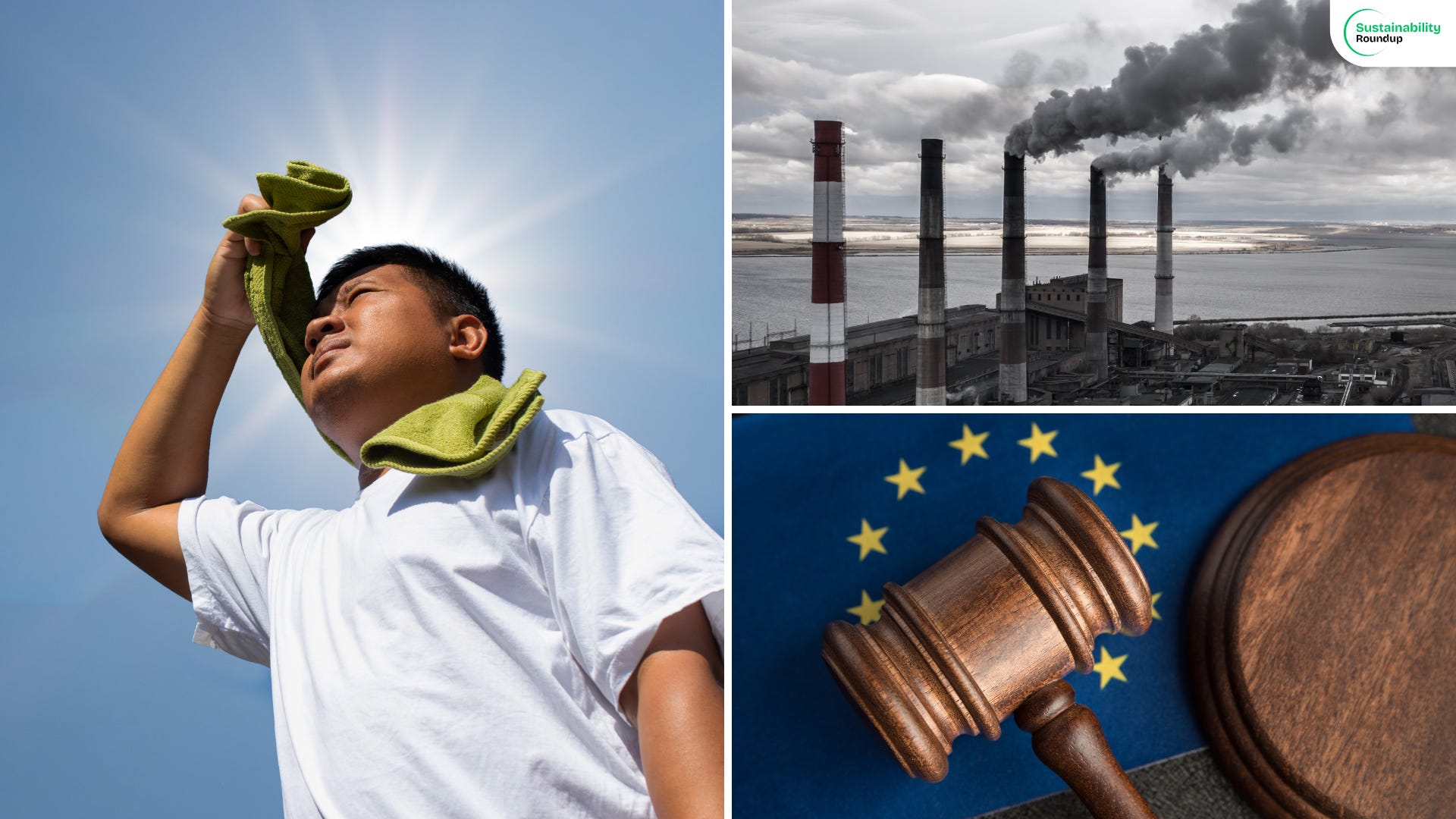
1. EU strikes deal to further weaken corporate sustainability laws 🇪🇺⚖️
The European Union agreed to raise company thresholds under sustainability reporting and due diligence rules, limiting obligations such as climate transition planning to only the largest corporations. While positioned as a competitiveness measure, the decision weakens accountability across supply chains and risks slowing genuine ESG integration just as climate exposure and social scrutiny are intensifying, leaving voluntary action to replace much-needed regulatory discipline.
2. UN warns food and fossil-fuel systems cause $5bn of environmental damage every hour 🌍💸
A new UNEP assessment estimates unsustainable food and energy systems generate $45 trillion in yearly environmental damage through emissions, biodiversity loss, and health impacts. The staggering scale reframes sustainability not as a moral ambition but as a business cost distortion problem, yet the absence of binding policy mechanisms to internalize these damages continues to protect incumbents that profit from externalization.
3. 2025 set to be one of the hottest years ever recorded, EU scientists say 🔥🌡️
Data from the Copernicus Climate Change Service, the EU’s climate monitoring body, shows global average temperatures in 2025 are running consistently above the 1.5°C warming threshold, putting the year on track to rank as the second or third hottest on record after 2024. This marks the continuation of an unprecedented multi-year heat streak that is already disrupting agriculture, insurance risk models, infrastructure durability, and supply-chain stability, while most corporate climate strategies remain misaligned with both the pace and permanence of real-world climate escalation.

The Future-Fit Business Benchmark, a science based strategy framework that helps companies redefine sustainability success by shifting from “less harm” to truly system friendly and net positive performance. Anchored in 23 Break-Even Goals that outline the minimum conditions a company must meet to avoid harming people or the planet, the framework embeds sustainability directly into strategy, product design, operations, and capital allocation rather than treating it as a reporting obligation. ⚡
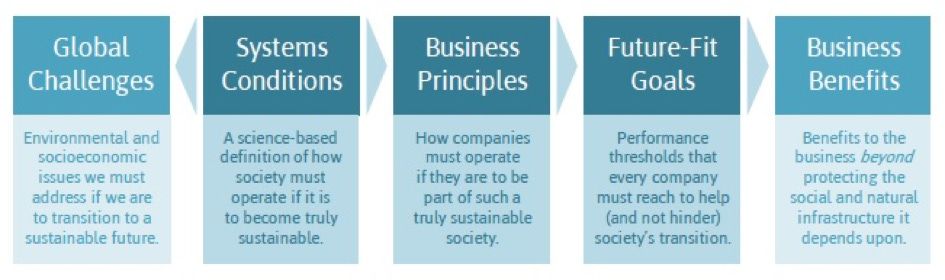
Turning Future-Fit principles into day-to-day decisions 🛠️
Define system wide “no harm” thresholds 🔍
Translate the 23 Break-Even Goals into clear internal performance expectations that set the boundaries for acceptable environmental and social impact across operations, supply chains, and product use.Identify strategic gaps and priorities 🎯
Assess current business practices against the Break-Even Goals to surface where the company falls short and prioritise areas requiring product, process, or supply chain transformation.Embed targets into core business action 🚀
Turn priority gaps into strategic initiatives such as product redesign, supplier engagement, capital reallocation, and leadership incentives so sustainability outcomes drive real operational change and competitiveness.
In practice, Novo Nordisk applies the Future-Fit Benchmark to redesign medicine life cycles, using the Break-Even Goals to address patient access, ethical marketing, responsible manufacturing, and waste, embedding impact considerations directly into innovation and long term value creation. Read here. 🔗
Explore the full set of 23 Break-Even Goals here.

Listen to how climate change is outpacing the tools economists rely on creating dangerous gaps in how we forecast risk and prepare for disruption. 📉
This talk highlights why leaders must adopt science-driven methods like simulations and digital twins to build strategies resilient to accelerating climate turbulence 🌍⚡.

Results from our last poll show a whopping 90% of people want companies to prove sustainability and health claims before advertising them. This signals a clear shift toward evidence-based transparency, making credibility a true competitive advantage and exposing unsubstantiated claims to growing trust and regulatory risks. ⚠️ Missed our last poll? Vote here. 📘
Missed our recent issues? Catch up anytime by reading our full archive here 📖.
That’s it for today’s roundup! We’ll see you next Thursday with another set of inspiring sustainability news and updates. Until then, take a moment to reflect on how you can adopt one new sustainable practice this week. Every small step counts! 🌍✨
Have any thoughts or a sustainable practice you'd like to share? Share your feedback here.
Together, we can make a difference. See you in the next edition of the Sustainability Roundup!
Strong roundup. The $45 trillion anual environmental damage figure from UNEP is staggering and reframes sustainability as a cost distortion problem, not just a moral issue. The Future-Fit Benchmark's 23 Break-Even Goals approch is practical, but the real challenge is geting companies to adopt it before regulators force the issue when it's already too late to build competitive advantage.