

Welcome to Sustainability Roundup!
From supply chain decarbonization and global data fragmentation to governance setbacks in agriculture, this issue examines how sustainability is increasingly shaped by execution challenges across value chains, institutions, and accountability systems.
Dive in for more!


A new PwC report published this week reveals that despite macroeconomic volatility, the vast majority of global firms are maintaining or speeding up their climate targets, with a primary focus on Scope 3 emissions reduction. The strategic shift toward supply chain accountability suggests that decarbonization is now viewed as a competitive necessity rather than a compliance burden, though the report critically notes that data transparency remains the biggest hurdle for implementation. This acceleration confirms that climate strategy is now hardcoded into long-term capital expenditure; however, firms that fail to move from “targets” to “traceability” risk significant valuation cuts as supply chain regulations tighten globally.
Uniting Global Stakeholders to Advance Green Supply Chain Transformation at Shanghai Climate Week
Concluding on April 28, 2026, the Green Supply Chain Transformation Forum in Shanghai brought together leaders from Alibaba, BYD, and global stakeholders to align on standardized carbon accounting for the electronics and EV sectors. While the forum marks a significant step toward cross-border data interoperability, the critical risk remains the potential for “data protectionism” where regional standards create trade barriers rather than bridges. For global decision-makers, this means the competitive edge is shifting toward those who can navigate fragmented data ecosystems; simply having a green product is no longer enough if the data trail is blocked by regional regulatory silos.
U.S. Administration Rejects Women Picked for Soybean Board, Appoints Men Instead
In a move that has sent ripples through the agricultural sector, the U.S. administration on April 29, 2026, rejected all female candidates recommended by state associations for the United Soybean Board, appointing an all-male slate instead. This intervention directly challenges the Corporate Governance and Diversity (DEI) standards that many multinational food companies rely on for their sustainable sourcing benchmarks. While the administration claims a focus on “traditional expertise,” this move creates a strategic rift between government policy and the ESG requirements of global buyers, potentially complicating the “Social” reporting metrics for companies sourcing American soy.

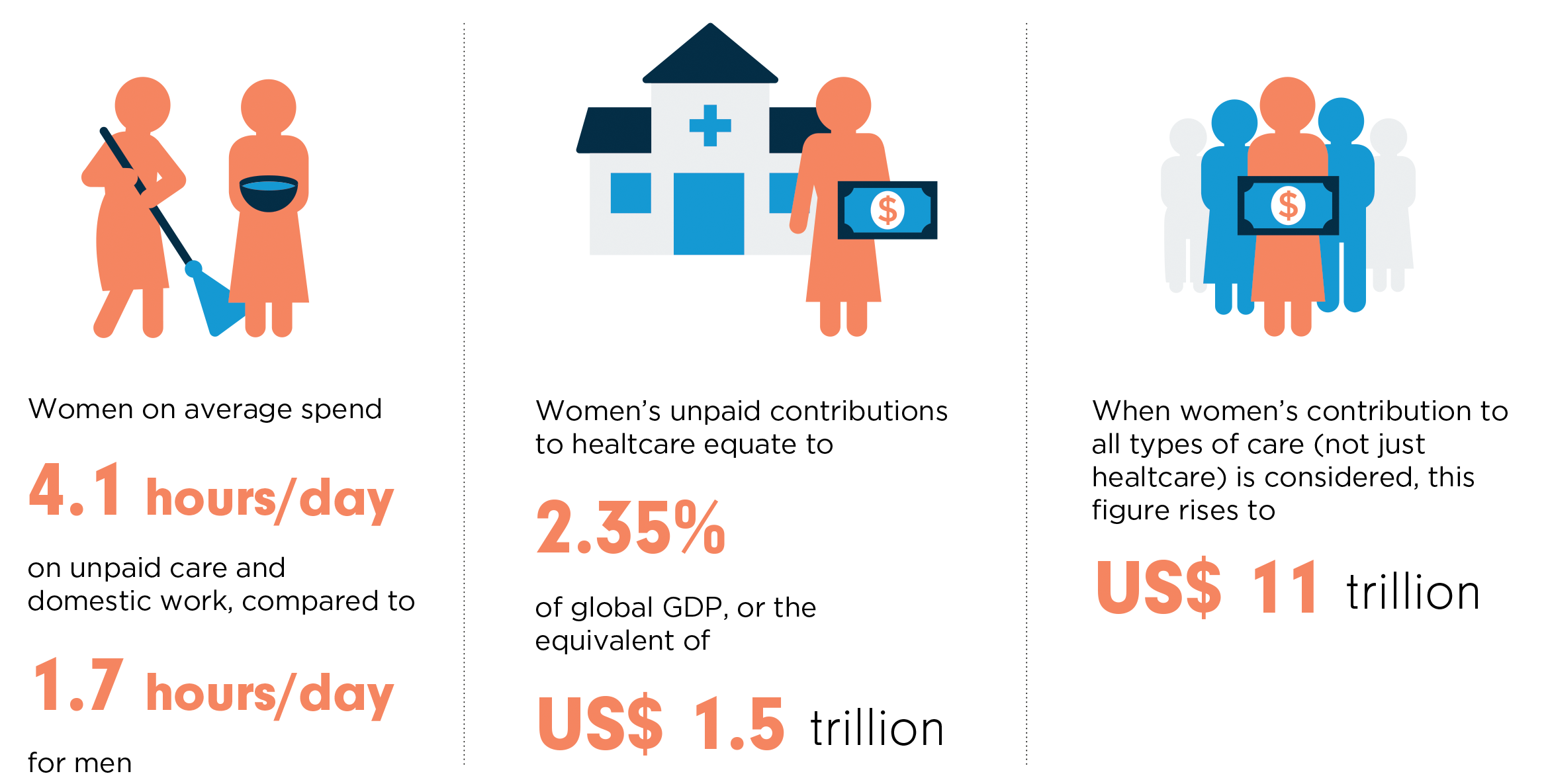
Sustainability is often framed through carbon and compliance, but insights from the care economy literature in Feminist Economics and the idea of Oikonomia as a “life economy” shift the focus to what actually sustains businesses. As highlighted in research from Sciences Po and institutions like UN Women, economic value is deeply dependent on labor systems, social infrastructure, and unpaid care that remain largely invisible in ESG frameworks.
Reframing value creation: Care and life-supporting systems underpin productivity, resilience, and long-term performance, yet are systematically undervalued.
Measurement challenge: Unlike carbon, care and social systems lack standardized metrics, limiting integration into financial and ESG decision-making.
Credibility gap: High disclosure rates coexist with weak outcomes because core human and social dependencies sit outside reporting frameworks.
Risk of dilution: Expanding sustainability too broadly can weaken strategic focus if not tied to clear business levers.
What this means for managers:
Map dependencies: Identify where performance relies on workforce stability, informal labor, and social systems across operations and supply chains.
Embed into operations: Redesign work structures, capacity planning, and support systems to improve continuity and reduce burnout.
Link to performance: Treat wellbeing, retention, and labor conditions as leading indicators of productivity and risk.
Prioritize material actions: Focus on areas where breakdowns in care or social systems directly impact delivery, cost, or quality.
The takeaway is practical. Firms that adopt a “life economy” lens move beyond ESG as reporting and begin managing sustainability as the foundation of how value is created, sustained, and scaled over time. Read more here.
Image Courtesy: UN Women (2020)

Watch how structural gaps across agricultural value chains where farmer income vulnerability, opaque supply chains, and weak governance create cost asymmetries.
Yet again, reinforcing that sustainable sourcing requires integrated incentives, traceability, and regulatory alignment rather than isolated efficiency improvements

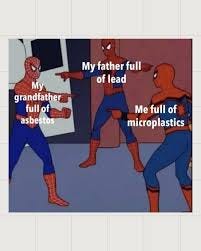
Results from our last poll shows 33% see toxicity as a critical blind spot, while 42% cite uncertainty, signaling limited clarity on non carbon risks. Only 8% prioritize carbon alone, indicating a shift toward multi dimensional sustainability, though capability gaps in assessing long term chemical impacts remain significant. Read our last issue here.
Missed our recent issues? Catch up anytime by reading our full archive here 📖.
That’s it for today’s roundup! We’ll see you next Thursday with another set of inspiring sustainability news and updates. Until then, take a moment to reflect on how you can adopt one new sustainable practice this week. Every small step counts! 🌍✨
Have any thoughts or a sustainable practice you'd like to share? Share your feedback here.
Together, we can make a difference. See you in the next edition of the Sustainability Roundup!
Scope 3 always looks good in strategy decks.
Much harder when you try to map it in reality.
Most fail when they try to build something that actually works end to end.